Historical Face Reading
Julius Caesar (100 BCE - 44 BCE): Physiognomy Reading
Julius Caesar was one of the most studied faces in antiquity. Ancient biographers, soldiers, and contemporaries all recorded impressions of his physical appearance: and physiognomy readers found in his features a map of the contradictions that defined him: the conqueror who wept at Pompey's death, the dictator who refused the crown three times.
Last updated: 2026-06-10
Julius Caesar was one of the most studied faces in antiquity. Ancient biographers, soldiers, and contemporaries all recorded impressions of his physical appearance: and physiognomy readers found in his features a map of the contradictions that defined him: the conqueror who wept at Pompey's death, the dictator who refused the crown three times.
Historical Record
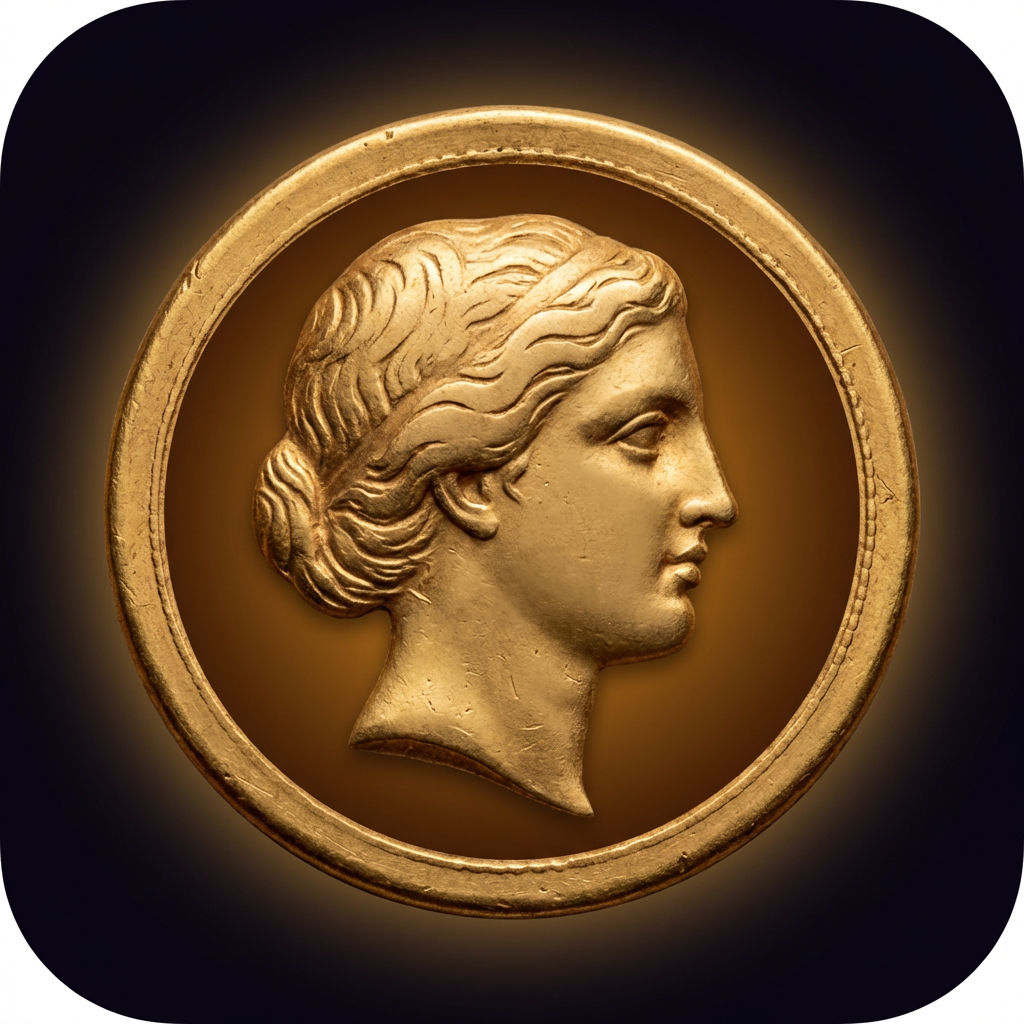
Suetonius described Caesar as tall, fair-skinned, and well-built, with a broad face, dark, keen eyes, and a slight tendency toward baldness that reportedly troubled him more than any military defeat. Plutarch noted his pale complexion and the epileptic seizures that marked his later campaigns. His portrait coins and contemporary busts show a lean, angular face with a sharp, prominent nose, high cheekbones, and a long jaw. The neck was characteristically thin: a detail ancient physiognomists read as a sign of extreme sensitivity to honor and shame.
Facial Analysis
The high, broad forehead signals dominant upper-zone energy: strategic intellect, long-range planning, and an orientation toward legacy over immediate reward. Caesar was famous for writing his own histories and obsessing over how posterity would remember him: a classically upper-zone preoccupation. His sharp, prominent nose maps to Choleric drive and the relentless forward momentum that brought him from Spain to Egypt in a single decade. The lean jaw and minimal lower-zone mass suggests someone for whom physical comfort was secondary: Caesar famously slept in his chariot and ate standing.
Temperament: Choleric-Melancholic
The Choleric in Caesar produced the ambition, speed, and command authority. The Melancholic explains the brooding quality Plutarch recorded: his private grief, his obsessive attention to detail in his written works, the dark epileptic episodes that seemed to punctuate his greatest military achievements. It is a combination that produces men who change history and cannot quite rest inside it.
Legacy in Physiognomy
Caesar is one of the most physiognomically documented figures of antiquity. Lavater cited ancient descriptions of Caesar multiple times in his Physiognomische Fragmente, using his features as an example of the Choleric-intellectual type. The sharpness of the nose, the readiness of the eye, and the lean jaw reappear in Lavater's descriptions of bold, restless men of action.
Related Reading
Frequently Asked Questions
Related Reading
Discover Your Own Reading
The same system that analyzed Caesar, Napoleon, and Lincoln is available for your face. Completely free. No account needed.
Download Free on App Store